
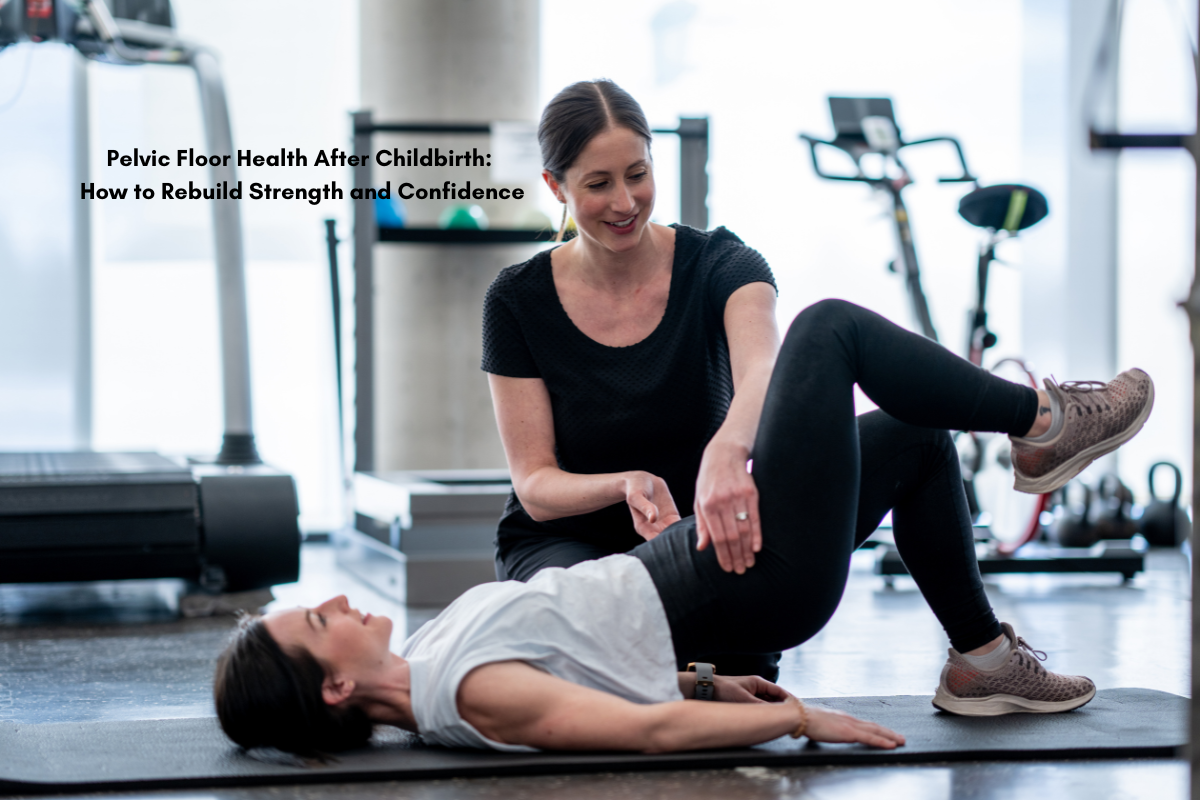
Pelvic Floor Health After Childbirth: How to Rebuild Strength and Confidence
By: Alliance Ob/Gyn in Alpharetta, GA
At a Glance
- Pregnancy and childbirth can weaken the pelvic floor muscles, leading to issues like leakage, discomfort, or pressure.
- Early rehabilitation helps restore muscle tone, support organs, and improve confidence.
- Pelvic floor therapy and guided exercises are safe and effective for postpartum women.
- Alliance OB/GYN offers individualized recovery plans designed to restore strength and comfort.
- “My provider helped me understand that healing takes time — but with the right support, I felt like myself again.”
Quick Summary
Topic: Pelvic floor recovery after childbirth
Purpose: Educate women about how pregnancy and delivery affect pelvic floor health and how to strengthen these muscles safely
Goal: Empower mothers to seek help early and normalize postpartum pelvic rehabilitation as a vital part of women’s health care
Understanding the Pelvic Floor
The pelvic floor is a group of muscles that act like a hammock, supporting the bladder, uterus, and rectum. During pregnancy and childbirth, these muscles stretch and sometimes weaken under the pressure of carrying and delivering a baby.
While some women recover quickly, others experience symptoms that can persist without proper care. At Alliance OB/GYN in Alpharetta, providers emphasize that pelvic floor health is a key part of postpartum recovery, not an optional step.
“Pelvic floor changes after birth are common, but they don’t have to be permanent. With education, patience, and therapy, most women see significant improvement.”
Common Pelvic Floor Symptoms After Childbirth
Every birth experience is different, but there are several signs that pelvic floor muscles may need attention.
1. Urinary Leakage
Leaking when laughing, coughing, or exercising is a common postpartum issue caused by weakened muscles.
2. Pelvic Pressure or Heaviness
A sensation that something is “falling” or pressure in the lower abdomen can signal prolapse, where pelvic organs shift downward due to weakened support.
3. Pain or Discomfort
Pain during intercourse or while sitting may occur as tissues heal. Addressing scar tissue and muscle tension helps restore comfort.
4. Bowel Control Challenges
Some women notice difficulty with bowel movements or gas control, which can also be improved with pelvic therapy.
5. Core Weakness and Posture Issues
Because the pelvic floor connects to abdominal muscles, weakness in one area affects stability, balance, and back comfort.
“After my second baby, I thought leaking during workouts was just normal. My doctor at Alliance explained that it’s treatable — and within a few months of therapy, it stopped completely.”
The Role of Pelvic Floor Therapy
Pelvic floor therapy is a specialized type of physical therapy focused on rebuilding muscle strength, flexibility, and coordination. It is safe for women of all ages and can be started as soon as your provider confirms your body is ready.
Therapy May Include:
- Targeted Exercises (Kegels and Beyond): Strengthening muscles through guided activation and relaxation.
- Biofeedback Tools: Technology that helps visualize muscle contractions for more effective workouts.
- Manual Therapy: Gentle techniques that release tightness and improve circulation.
- Posture and Breathing Training: Teaching alignment and core connection for daily movement.
Sessions are typically personalized to your symptoms and goals. Many women notice improvement within just a few visits.
Why Early Intervention Matters
The weeks and months after childbirth are an ideal time to begin recovery because tissues are still healing and adapting. Addressing pelvic weakness early helps prevent long-term complications like chronic pain or prolapse.
Benefits of Early Pelvic Floor Care
- Restores bladder and bowel control
- Reduces pelvic pain and pressure
- Improves intimacy and sexual comfort
- Supports core stability and back health
- Enhances confidence and physical independence
Alliance OB/GYN’s providers often recommend a postpartum pelvic evaluation as part of every mother’s follow-up plan. This proactive approach ensures women feel comfortable discussing sensitive symptoms early rather than waiting until problems worsen.
The Connection Between the Pelvic Floor and Emotional Well-being
Pelvic floor issues can affect more than physical health. Many women report that ongoing discomfort or leakage affects their confidence, intimacy, and emotional well-being.
Hormonal changes, sleep deprivation, and self-consciousness can make these challenges feel isolating — but you are not alone.
At Alliance OB/GYN, providers approach postpartum care holistically, recognizing that physical healing and emotional resilience go hand in hand. Through compassionate discussion, education, and evidence-based therapy, patients are guided toward both comfort and confidence.
“I was embarrassed to bring up my symptoms, but my provider made me feel completely comfortable. We talked through everything and created a plan that worked.”
How to Support Pelvic Recovery at Home
1. Practice Proper Posture
Sitting and standing tall helps engage the core and pelvic floor naturally. Avoid slouching, especially during feeding sessions.
2. Try Gentle Exercises
After clearance from your provider, begin light pelvic floor contractions. Focus on lifting and releasing the muscles used to stop urination. Over time, this builds strength and control.
3. Use Deep Breathing Techniques
Coordinating breath with muscle engagement supports healing. Inhale to relax your pelvic floor, exhale as you gently contract.
4. Avoid Strain
Heavy lifting or high-impact activity too soon can worsen weakness. Gradually increase intensity as your strength improves.
5. Stay Hydrated and Nourished
A healthy diet supports tissue repair. Hydration helps prevent constipation, which can strain the pelvic floor.
6. Listen to Your Body
Pain or pressure is your body’s way of signaling it needs rest. Prioritize recovery and communicate concerns to your provider.
When to Seek Professional Help
While mild symptoms can improve naturally, you should contact your provider if:
- Leakage or pain persists beyond 6–8 weeks postpartum
- You feel pressure, bulging, or heaviness in the pelvis
- Intercourse remains painful despite healing
- You have difficulty controlling bowel or bladder function
- Daily activities feel limited or uncomfortable
Alliance OB/GYN provides personalized assessments and referrals for pelvic floor therapy when needed. Many patients find that simple, consistent interventions restore normal function and quality of life.
Breaking the Stigma
Pelvic floor conditions are extremely common — yet many women feel embarrassed to discuss them. Culturally, topics like leakage or discomfort have been minimized or normalized, but they are medical concerns that deserve care.
By bringing awareness to postpartum pelvic health, Alliance OB/GYN helps women understand that recovery is possible and worth pursuing. The clinic’s mission is to replace embarrassment with empowerment through open communication and professional guidance.
Patient Perspective
“After my first delivery, I didn’t know what was normal. I felt frustrated by the changes in my body. My provider at Alliance OB/GYN listened without judgment and referred me to pelvic therapy. Within weeks, I noticed a difference. Now I tell every new mom — don’t wait to ask for help.”
This story reflects what countless women experience — that proactive, compassionate care can completely change the postpartum journey.
Final Thoughts
Your pelvic floor plays a vital role in your overall well-being, from bladder control to core strength and confidence. Healing is possible, and it starts with awareness and support.
At Alliance OB/GYN in Alpharetta, your providers are dedicated to guiding you through every step of recovery. Whether you’re weeks or years postpartum, it’s never too late to strengthen your pelvic floor and reclaim comfort in your body.
If you’re experiencing symptoms or simply want to learn more about pelvic floor health, schedule a consultation today. Your recovery deserves attention, care, and compassion.
Further Reading
Learn more about managing cold and flu symptoms during pregnancy: marchofdimes.org