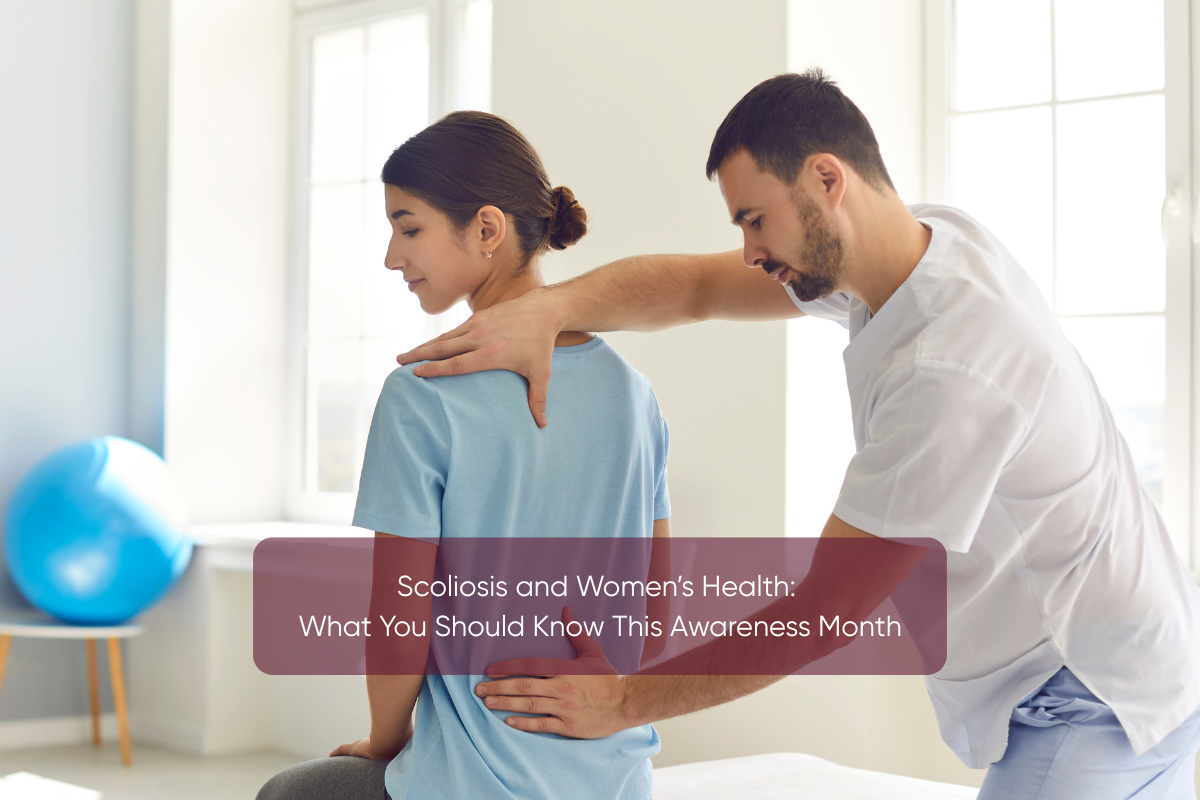
Scoliosis and Women’s Health: What You Should Know This Awareness Month
By: Alliance Ob/Gyn in Alpharetta, GA
June is Scoliosis Awareness Month, a time to bring attention to a condition that affects millions of people, many of them women. While scoliosis is often diagnosed during adolescence, its impact can extend well into adulthood, influencing posture, pain levels, pregnancy, and overall quality of life.
For women, scoliosis isn’t just about spinal alignment. It can intersect with reproductive health, hormonal changes, and life stages such as pregnancy and menopause. Understanding how scoliosis affects the body can help you take a proactive, informed approach to your health.
What Is Scoliosis?
Scoliosis is a condition characterized by a sideways curvature of the spine, often forming an “S” or “C” shape. It affects approximately 2–3% of the population, with many cases developing during adolescence.
While some cases are mild and asymptomatic, others can lead to noticeable physical changes and discomfort, including:
- Uneven shoulders or hips
- Back pain or stiffness
- Muscle imbalance
- In more severe cases, breathing difficulties
Scoliosis can vary widely in severity, and its impact often changes over time—especially for women.
Why Scoliosis Is Especially Relevant for Women
Scoliosis is more commonly diagnosed in girls during adolescence, and women are more likely to experience progression of the condition later in life.
Several factors contribute to this:
- Hormonal fluctuations affecting ligaments and joints
- Pregnancy-related changes in posture and weight distribution
- Increased risk of osteoporosis with age
Because of these influences, scoliosis should be considered part of a woman’s broader health picture—not just an isolated orthopedic issue.
How Scoliosis Affects Daily Health
For many women, scoliosis can influence everyday comfort and function.
Common concerns include:
- Chronic back or neck pain
- Fatigue from muscle strain
- Postural changes over time
- Difficulty with prolonged sitting or standing
These symptoms may overlap with other conditions—especially pelvic or lower back pain—making it important to evaluate the full picture during routine care.
Scoliosis and Reproductive Health
While scoliosis does not directly affect reproductive organs, it can influence how women experience certain aspects of reproductive health.
For example:
- Pelvic alignment may contribute to discomfort during menstruation
- Chronic back pain may worsen during hormonal fluctuations
- Physical positioning during exams or procedures may require adjustments
This is why communication with your OB/GYN is key. A provider who understands your spinal health can help ensure your care is both effective and comfortable.
Scoliosis and Pregnancy: What to Expect
One of the most common concerns women have is how scoliosis may affect pregnancy. The reassuring news is that most women with scoliosis can have healthy pregnancies and deliveries. However, pregnancy does introduce changes that can affect the spine.
Physical Changes During Pregnancy
During pregnancy, the body undergoes several shifts that can impact scoliosis:
- Hormonal changes (like increased relaxin) loosen ligaments
- Weight gain shifts the body’s center of gravity
- Core muscles stretch and weaken
These factors can lead to increased back pain or temporary changes in posture.
Will Pregnancy Make Scoliosis Worse?
In most cases, pregnancy does not cause significant long-term progression of scoliosis—especially in women whose spines have fully matured.
However, some women—particularly those with more severe curves—may notice:
- Increased discomfort
- Temporary worsening of posture
- Greater strain on the lower back
Labor and Delivery Considerations
Scoliosis may influence certain aspects of labor, such as:
- Positioning during delivery
- Placement of an epidural (in some cases)
- Need for additional monitoring
That said, most women with scoliosis are able to deliver safely with appropriate planning and care.
Scoliosis and Long-Term Women’s Health
Beyond pregnancy, scoliosis can continue to affect women throughout adulthood.
Menopause and Bone Health
As women age, declining estrogen levels increase the risk of osteoporosis—a condition that weakens bones.
For women with scoliosis, this can:
- Increase the risk of curve progression
- Contribute to spinal instability
- Worsen back pain
Maintaining bone health through nutrition, exercise, and medical care becomes especially important.
Chronic Pain and Mobility
Over time, untreated scoliosis may contribute to:
- Persistent back or hip pain
- Reduced flexibility
- Changes in gait or posture
Early management and ongoing monitoring can help minimize these effects.
When to Talk to Your OB/GYN
Scoliosis is not something you have to manage alone and your OB/GYN can play an important role in your care.
Consider discussing scoliosis with your provider if you experience:
- Persistent or worsening back pain
- Difficulty during pelvic exams
- Pregnancy-related discomfort
- Changes in posture or mobility
A collaborative approach; sometimes involving physical therapy or orthopedic care—can help ensure comprehensive support.
Managing Scoliosis at Every Stage of Life
While scoliosis cannot always be reversed, it can be effectively managed.
Common strategies include:
- Physical therapy to strengthen core muscles
- Postural training and ergonomic adjustments
- Regular monitoring of spinal curvature
- Maintaining a healthy weight and activity level
For many women, these steps can significantly improve comfort and quality of life.
A Whole-Person Approach to Women’s Health
At Alliance OB/GYN, we understand that your health is interconnected. Conditions like scoliosis don’t exist in isolation—they influence how your body functions as a whole.
That’s why comprehensive women’s healthcare means:
- Listening to your concerns
- Understanding your full medical history
- Tailoring care to your unique needs
Take Charge of Your Health This Scoliosis Awareness Month
Scoliosis Awareness Month is a reminder that small steps—like asking questions, seeking care, and staying informed—can make a meaningful difference in your long-term health.
Whether you’ve been living with scoliosis for years or are just starting to notice symptoms, support is available.
If you have questions about how scoliosis may be affecting your health or overall well-being, the team at Alliance OB/GYN is here to help guide you with compassionate, personalized care.